Effective ceramic coating maintenance San Diego requires bi-weekly hand washes using pH-neutral soap and the two-bucket method to prevent surface scratches. To double the life of your coating, avoid automatic car washes and schedule annual professional inspections to remove embedded contaminants and refresh the hydrophobic layer.
You invested heavily in a high end ceramic coating to protect your vehicle, but San Diego’s unique environment presents a constant challenge. Between the corrosive salt air off the coast and the relentless Southern California sun, even the most expensive coatings can fail prematurely if they are not cared for correctly. Many owners believe these surfaces are indestructible; however, improper maintenance is the fastest way to lose that signature depth and hydrophobic performance. At Magic Mike Carwash, we understand the science of surface protection and the specific stressors our local climate imposes on your paint. This guide provides a professional roadmap to making your investment last twice as long. We will cover the critical first 48 hours after application, the dangers of automatic brush washes, and the correct way to use booster sprays. We also include essential maintenance tips specifically tailored for San Diego Tesla owners.
Why Ceramic Coating Maintenance in San Diego Requires a Specific Strategy
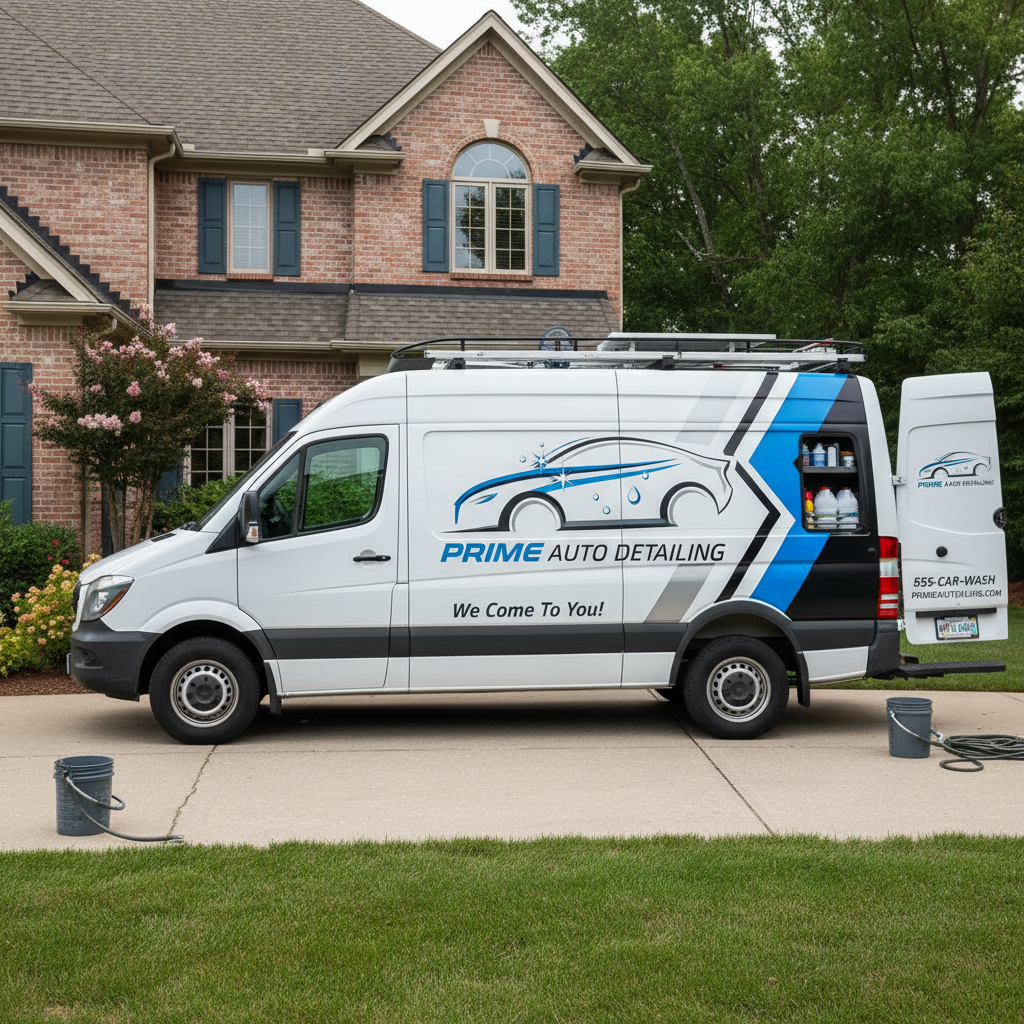
Investing in a ceramic coating provides your vehicle with a semi-permanent layer of protection that far surpasses any traditional wax or sealant. However, a common misconception among vehicle owners in the South Bay is that these coatings are set and forget. While the liquid polymer creates a sacrificial layer that is incredibly durable, it is not bulletproof. Effective ceramic coating maintenance San Diego requires a strategy tailored to our unique microclimates.
Our region presents a trifecta of environmental threats that can compromise even the highest quality coatings. In areas like El Cajon and La Mesa, intense UV rays act as a catalyst, baking road grime, bird droppings, and tree sap into the surface. Along the coast in Chula Vista and National City, the salt-heavy air promotes steady corrosion and can leave a cloudy film on the finish. Furthermore, the South Bay is notorious for hard water. When mineral-heavy tap water evaporates on a hot surface, it leaves behind calcium and magnesium deposits that bond aggressively to the coating.
True maintenance is about more than just removing dirt; it is about preserving the hydrophobic properties that make the coating effective. When a coating becomes clogged with microscopic contaminants, it loses its ability to sheet water and resist staining. Professional mobile detailing focuses on decontaminating these pores to ensure the surface remains slick and easy to clean. Without a specific strategy, these environmental stressors will eventually mask the coating, leading to a loss of gloss and protection long before the intended lifespan of the product.
The Critical First 48 Hours: Post Application Care
The moment you drive away with a fresh ceramic coating, the liquid polymer begins its chemical bonding process, known as curing. While the surface feels dry to the touch within hours, the underlying structure requires a minimum of 48 hours to solidify and reach its initial level of chemical resistance. During this window, the coating is at its most vulnerable. If you are wondering what to avoid after ceramic coating, the primary answer is moisture in any form.
San Diego car owners must be particularly vigilant during our humid coastal mornings. If dew or light mist settles on the vehicle before the 48 hour mark, you should immediately dry the surface using a clean, plush microfiber towel. Allowing water to sit and evaporate on the surface can lead to mineral spotting that becomes trapped within the curing layer. Beyond water, you must strictly avoid parking under sap producing trees or in areas prone to bird activity. These contaminants are highly acidic; if they land on a soft, uncured coating, they can cause permanent etching that requires professional exterior detailing to correct. For the first seven days, treat the vehicle as though it has a fresh coat of paint. Avoid all chemical cleaners and high pressure sprays until the shield has reached its full chemical hardness.
The Golden Rule: Never Use an Automatic Brush Car Wash
Once your vehicle has passed the initial curing phase, your long-term habits will dictate the lifespan of the finish. The most critical rule for effective ceramic coating maintenance San Diego is to avoid automatic brush car washes at all costs. While convenient, the spinning bristles at local gas stations are the primary cause of coating failure. These brushes act as traps for heavy grit, sand, and road debris from every vehicle that entered the tunnel before yours. When these contaminated bristles spin at high speeds against your paint, they act like high-grit sandpaper, creating micro-marring and swirl marks that dull the gloss of your ceramic coating.
Even "touchless" automatic washes pose a significant threat. To compensate for the lack of physical agitation, these systems rely on highly alkaline, high-pH detergents and recycled water. These harsh chemicals are designed to strip grime, but they also aggressively degrade the hydrophobic top layer of your coating. Over time, this chemical assault diminishes the water-beading performance you invested in. For residents in Chula Vista and El Cajon, the only safe way to preserve the surface is through careful hand washing or by scheduling professional mobile detailing. Utilizing a professional service ensures that only clean, soft media and balanced chemicals touch your vehicle, preventing the premature wear caused by automated systems.
Step by Step Hand Washing Guide for Coated Vehicles
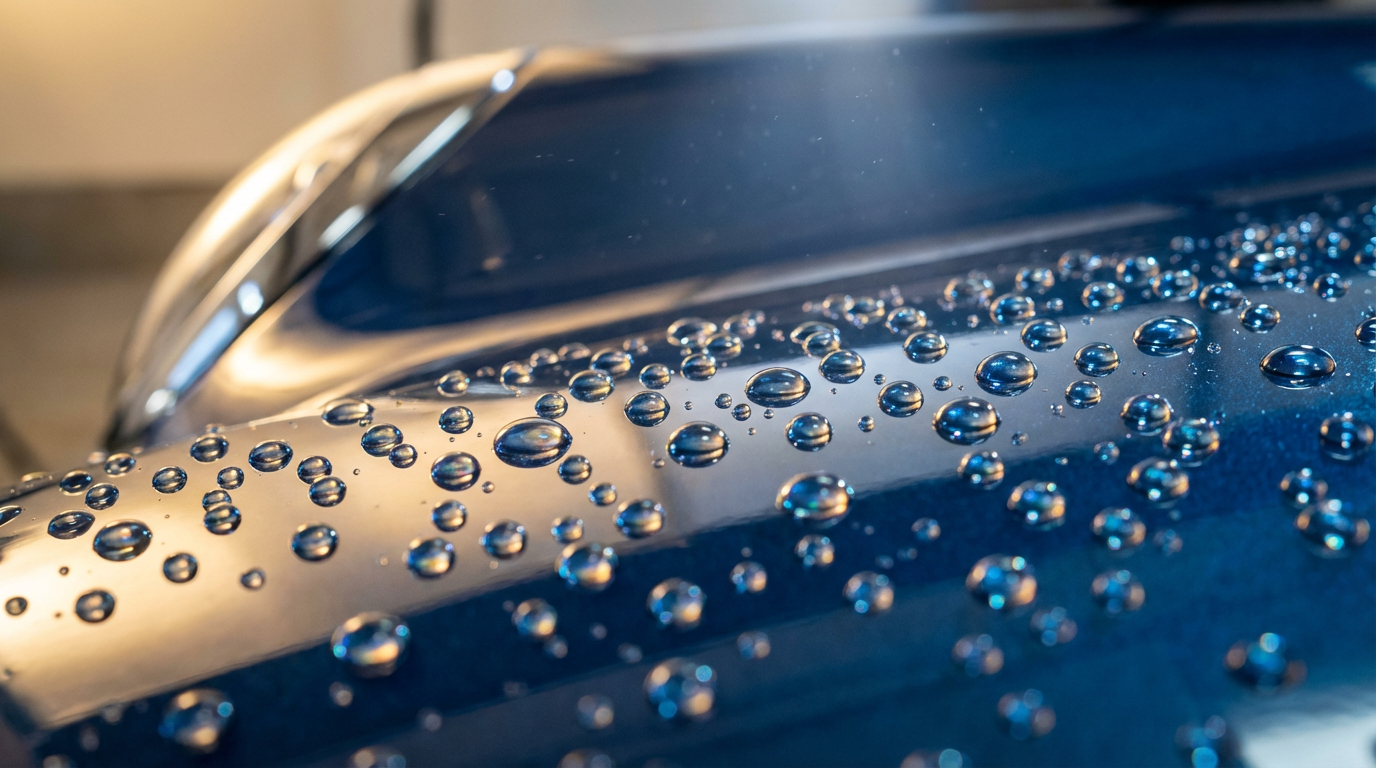
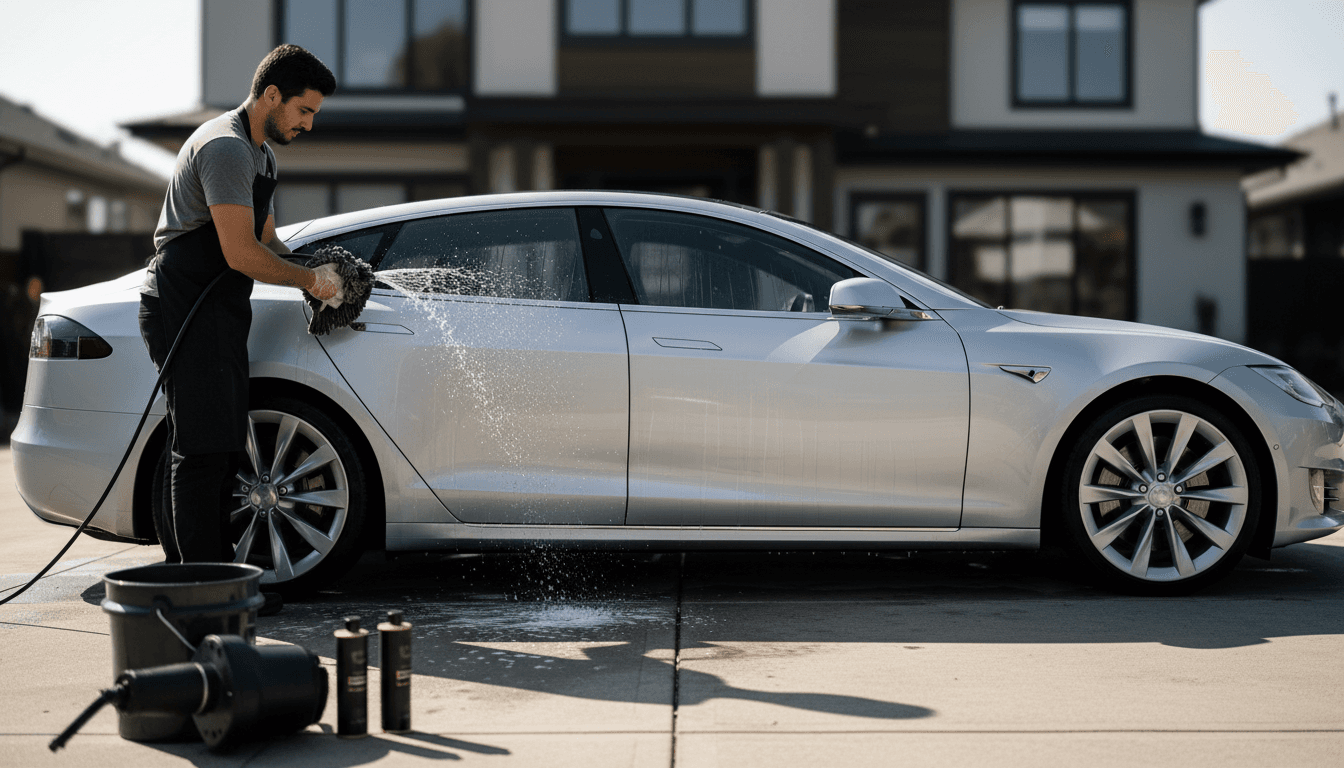
The only way to ensure your ceramic coating remains effective is through a controlled hand wash. The foundation of this process is the two-bucket method. Fill one bucket with water and a high quality, pH neutral car shampoo, and fill the second bucket with clean rinse water. A pH neutral soap has a balanced acidity level of 7.0, meaning it is neither acidic nor alkaline. This balance is vital because harsh, high pH soaps found in many retail stores are designed to strip waxes; over time, they will degrade the slickness and hydrophobicity of your coating.
Begin by rinsing the vehicle thoroughly to remove loose surface grit. Dip a high quality microfiber wash mitt into the soapy bucket, wash one section of the car starting from the roof, then immediately rinse the mitt in the clean water bucket before reloading it with soap. This prevents you from rubbing trapped dirt back onto the finish, which is the leading cause of swirl marks. Always use a dedicated microfiber wash mitt rather than a traditional sponge, as microfiber is designed to lift and trap particles within its fibers rather than dragging them across the paint.
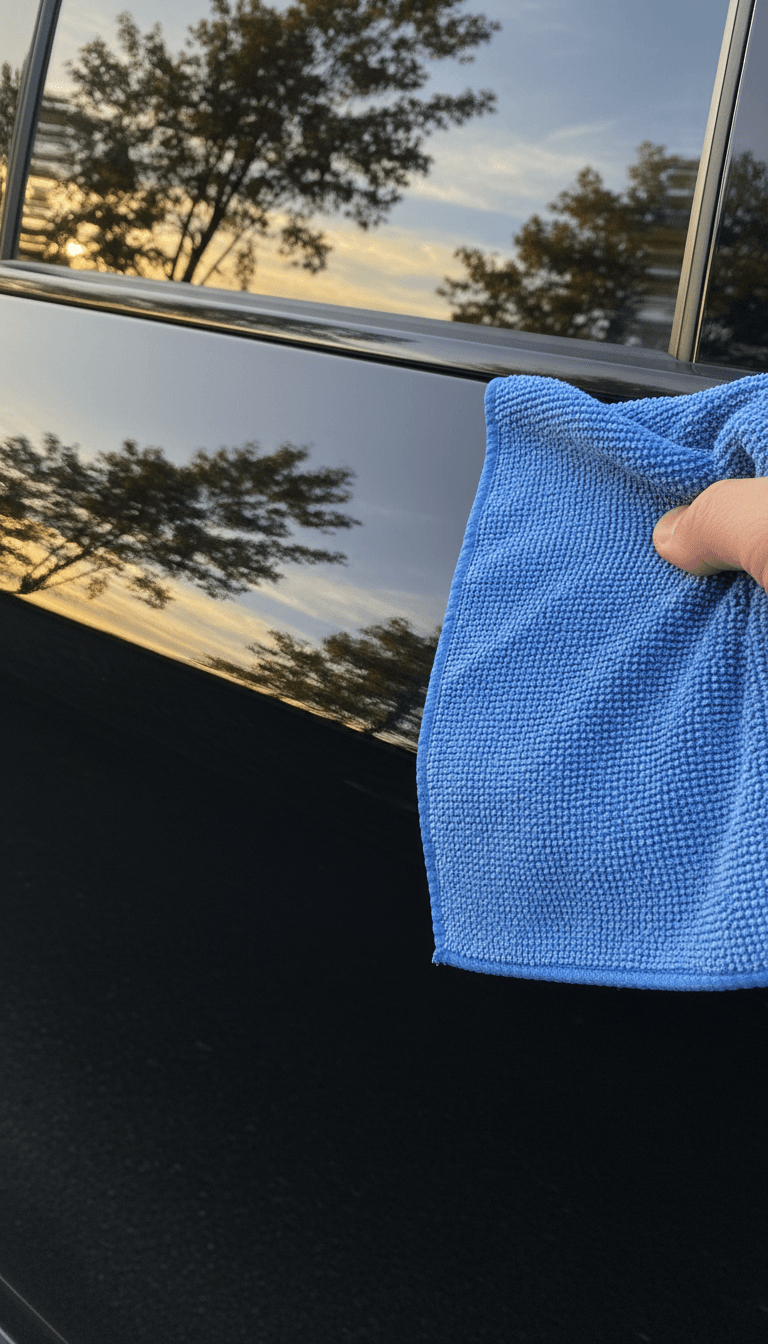
Timing and environment are critical for ceramic coating maintenance San Diego. Given the high mineral content of our local water, you should only wash your vehicle in the shade or during the early morning hours. If water evaporates on the surface before you can dry it, the minerals will bond to the ceramic layer, creating stubborn water spots. Once these minerals bond, they are incredibly difficult to remove without abrasive techniques. Use a dedicated, large microfiber drying towel to pat the car dry immediately after the final rinse. If you already notice mineral rings that do not come off with a standard wash, you may require professional exterior detailing to safely decontaminate the surface. For those with busy schedules, scheduling regular mobile detailing ensures these technical steps are handled correctly without the risk of spotting.
How Often Should You Use a Ceramic Topper or Booster Spray
Even with perfect washing technique, the top molecular layer of your ceramic coating faces constant environmental friction. To maintain peak performance, you should apply a silica based (SiO2) booster spray every three to four months. This schedule is a cornerstone of effective ceramic coating maintenance San Diego, as it establishes a vital sacrificial layer. This layer takes the brunt of the intense South Bay sun and corrosive salt air, preserving the integrity of the professional grade coating underneath.
It is important to distinguish between a ceramic booster and a standard detail spray, as many owners use them interchangeably. A quick detailer is essentially a lubricant; it is designed to lift light dust and add a temporary pop of shine but provides no lasting defense. A ceramic topper, however, is formulated with reactive silica that reinforces the coating's structure. Applying this every quarter ensures the surface remains ultra hydrophobic, making it much harder for contaminants to bond to the paint. For clients who prefer a hands off approach, we handle these applications through our monthly membership plans, ensuring the booster is applied at the precise window to prevent the base layer from ever being fully exposed to the elements.
Common Mistakes: Does Dawn Dish Soap Take Off Ceramic Coating
While it is a common DIY shortcut to reach for dish soap for a deep clean, it is a significant error in ceramic coating maintenance San Diego. Using dish soap will not instantly dissolve a professional grade ceramic coating, but its high pH and aggressive degreasing agents will strip the hydrophobic top layer and any silica boosters you have applied. This leaves the surface flat, causing water to pool rather than bead, which effectively kills the self-cleaning properties of the finish.
Beyond household soaps, several other mistakes can compromise your investment:
Abrasive Polishes: Any polish containing cutting agents will physically sand down the ceramic layer, thinning it until it disappears.
Contaminated Towels: Using microfibers that have dropped on the ground or were used on wheels will grind grit into the coating.
Neglecting Droppings: In the intense El Cajon heat, acidic bird droppings can bake and etch into the coating in a matter of hours if not neutralized immediately.
Avoiding these pitfalls ensures the chemical bond of the coating remains intact. If your finish feels rough or has lost its slickness, professional exterior detailing can safely remove contaminants without damaging the underlying protection.
Special Considerations for San Diego Tesla Owners
Tesla owners in the South Bay face a specific set of challenges due to the unique characteristics of the factory paint. In the professional detailing community, Tesla paint is famously categorized as "soft," meaning it has a lower density compared to many European manufacturers. This softness makes the surface exceptionally vulnerable to micro-marring, light scratches, and deep chemical etching from acidic bird droppings or coastal salt air. For a Model 3 or Model Y, a professional ceramic coating provides the essential hard shell that the factory finish lacks, acting as a primary defense against these surface defects.
Maintaining this protective layer is the most effective way to preserve resale value in a local market saturated with these vehicles. A Tesla with a flawless, mirror like finish will command a significantly higher price than one with visible swirl marks or sun damaged clear coat. Consistent ceramic coating maintenance San Diego ensures the paint underneath remains in showroom condition, preventing the degradation often seen on daily driven electric vehicles in our region.
Because many owners prioritize efficiency, mobile detailing is the ideal solution for keeping these cars in top shape. Our technicians can perform a precision hand wash and apply silica boosters in your driveway while the vehicle is plugged into its home charger. This eliminates the need to wait at a public station or risk the abrasive, high pH environments of automated washes that can compromise the coating.
The Magic Mike Membership: Professional Maintenance on Autopilot
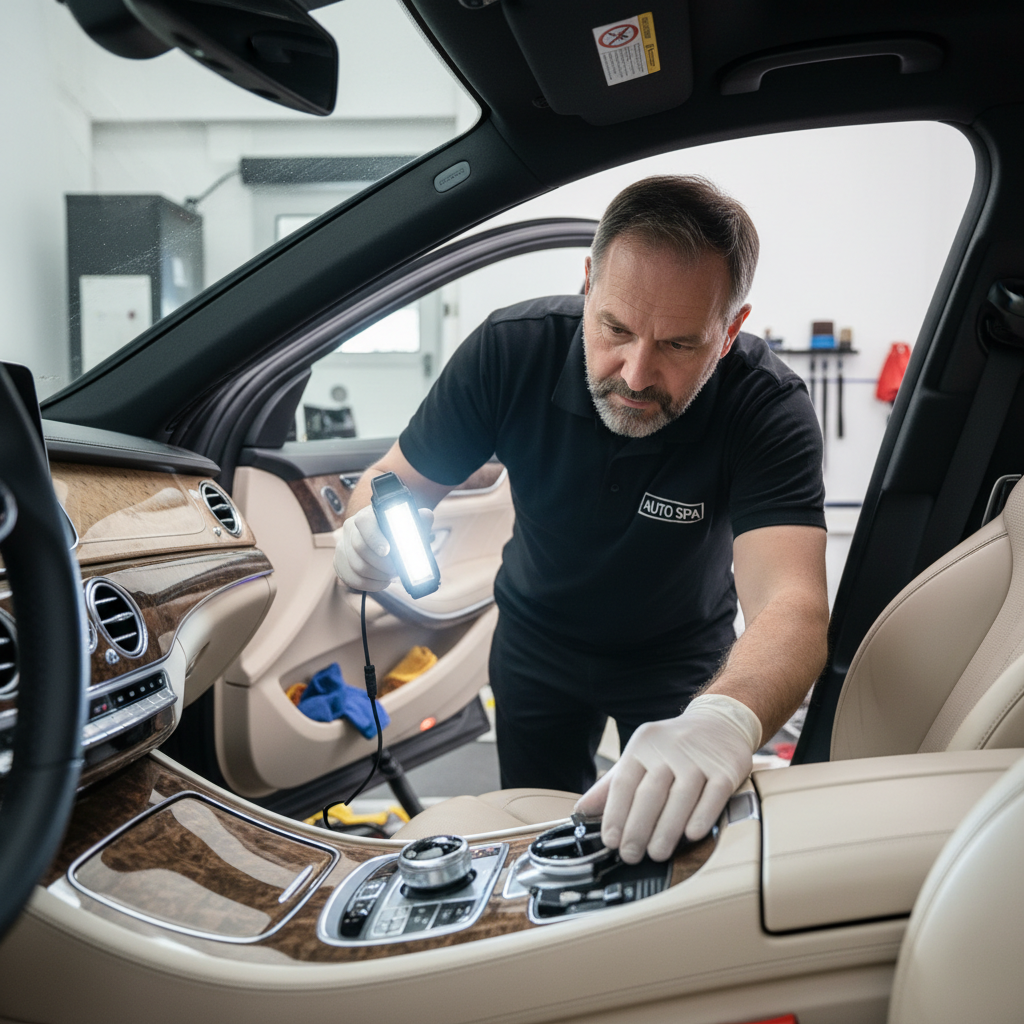
Transitioning from occasional care to a structured routine is the most effective way to protect your vehicle. Keeping up with a strict cleaning schedule is challenging for busy professionals in Chula Vista and National City, which is why professional oversight becomes a necessity rather than a luxury. Over time, even with regular hand washing, a coating can become 'clogged.' This occurs when microscopic road film, industrial fallout, and mineral deposits embed themselves into the pores of the ceramic layer. While the car may look clean, the surface feels less slick and water no longer beads as it should.
Our technicians perform a specialized decontamination wash during membership visits. This process involves using chemical iron removers and balanced, acid-based soaps to safely strip away embedded particles without harming the ceramic coating. This level of deep cleaning requires professional-grade chemicals that are difficult for most consumers to use safely at home.
Utilizing our monthly membership plans puts your ceramic coating maintenance San Diego on autopilot. By having a professional mobile detailing expert inspect and treat the surface every four weeks, you ensure that a 5-year coating actually delivers five years of peak performance. Regular professional exterior detailing prevents the slow degradation caused by coastal salt air and inland heat, preserving your vehicle’s showroom shine without the stress of DIY upkeep.
Maintaining your vehicle's finish requires a blend of the right products and a consistent routine. By following these simple steps, you can ensure your investment remains resilient against the elements for years to come. However, keeping up with every detail can be quite time consuming. If you want expert help to keep your car in showroom condition, our team is ready to assist. We offer professional Ceramic Coating services designed to provide lasting protection and a brilliant shine. Let us handle the maintenance so you can simply enjoy the results.